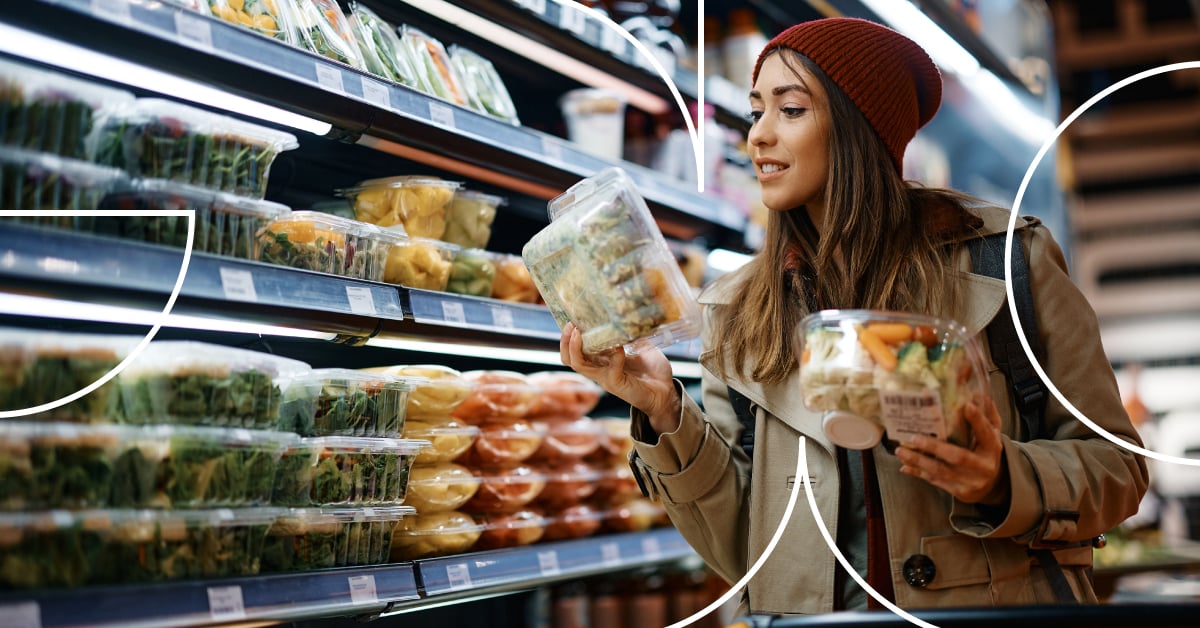
Online grocery shopping has moved firmly into the mainstream. The number of U.S. digital grocery buyers is expected to keep growing, with penetration projected to surpass 60% of the population by 2029. Food and beverage is also forecast to account for nearly 60% of online grocery sales by 2029, supported by a 10.7% compound annual growth rate.
The digital grocery journey is expanding in other ways, too. Fifteen percent of U.S. shoppers already use AI to assist with grocery purchases, including creating shopping lists, comparing prices, and researching products. Retailer apps, delivery services, click-and-collect, and ecommerce platforms give consumers even more ways to shape their baskets before reaching a store or checkout page.
Food and beverage decisions increasingly take shape before a shopper chooses a retailer. Brands need to reach relevant audiences during discovery, research, list-building, and comparison, rather than waiting for a signal tied to a specific store or transaction.
Marketers should consider how to:
Food and beverage marketing tip: Use grocery interest, purchase intent, past-purchase, and delivery-app signals to engage consumers earlier, then maintain a consistent audience strategy as they move toward purchase.
Food choices are highly personal. Consumers increasingly look for products that fit their health goals, dietary preferences, cooking habits, values, and daily routines. Healthy eating, organic products, specialty diets, meal planning, and interest in cooking all create distinct motivations within the broader category.
Discovery is changing alongside those preferences. Recipes, creators, cooking shows, food apps, and social content can influence what consumers want to try before they search for a product or visit a retailer. A broad “grocery shopper” audience may capture scale, but it does not explain whether someone wants convenient weekday meals or inspiration for a weekend dinner.
Audience strategies can reflect the reasons consumers make food and beverage choices. Interest, lifestyle, and intent signals can help brands distinguish among healthy eaters, home cooks, meal planners, organic shoppers, and consumers following specialty diets.
That added context supports more relevant creative. The most persuasive message may differ depending on whether the consumer prioritizes wellness, taste, value, or ease of preparation.
Food and beverage marketing tip: Build audience groups around motivations and habits, then tailor messaging to the benefits each group is most likely to value.
Convenience now influences nearly every corner of the category. Grocery delivery, takeaway, meal kits, prepared meals, quick-service restaurants, and food delivery apps have given consumers more ways to fit eating into busy schedules.
These behaviors do not occur in separate lanes. The same consumer may cook at home several nights a week, order lunch through an app, visit a restaurant on the weekend, and rely on prepared meals when time is tight. Digital platforms have also raised expectations around speed, availability, and ease.
Food and beverage brands need to understand the different forms convenience can take, from grocery pickup and meal kits to fast-casual dining, restaurant delivery, and ready-to-eat products.
Audience data can help marketers reach restaurant diners, quick-service restaurant customers, delivery users, and other convenience-driven consumers while maintaining consistency across channels. Messaging can then connect the product or service to the time-saving benefit, dining occasion, or purchase behavior that matters.
Food and beverage marketing tip: Segment convenience audiences by behavior and context, then align creative with how they prefer to buy, prepare, or consume food.
First-party data provides an important view of current customers and known interactions. It does not reveal the full range of prospective consumers engaging with recipes, grocery and restaurant research, delivery platforms, or food-related interests outside a brand’s owned channels.
Third-party audience data can extend that view by helping marketers identify and activate high-intent audiences at scale, add depth to broad customer groups, and maintain a more consistent strategy across the purchase journey.
For food and beverage campaigns, those audiences can include:
With the right audience foundation, marketers can build campaigns around how people discover, shop for, and consume food rather than relying on broad demographic characteristics alone.
Food and beverage is a wide category, so effective targeting starts by defining the behavior, motivation, or purchase context that matters to the campaign. Here are five audience groups to consider.
Grocery audiences can include everyday supermarket shoppers, online grocery users, delivery-app users, and consumers showing intent or past-purchase behavior across food and beverage categories. Marketers can also build strategies around beverage preferences such as coffee, soft drinks, and other category interests.
Dining audiences range from frequent restaurant visitors and fine-dining enthusiasts to fast-food customers, takeaway users, and people who regularly use delivery apps. Separating those behaviors can help marketers match offers and creative to the dining experience consumers prefer.
Healthy eaters, home cooks, food enthusiasts, recipe seekers, meal planners, organic shoppers, and specialty-diet audiences may engage with very different products and messages. These signals can connect product benefits to broader routines, from everyday healthy eating to gourmet cooking, baking, grilling, or trying new recipes.
Holidays, summer grilling, entertaining at home, sporting occasions, and other celebrations can change what consumers research, buy, prepare, and serve. Seasonal audience strategies can help brands reach holiday cooks, BBQ enthusiasts, home entertainers, and shoppers preparing for food-centered moments from early planning through last-minute purchases.
The category also includes professional audiences across food production, manufacturing, grocery retail, hospitality, restaurants, and food service. B2B audience data can help marketers reach professionals by industry, role, responsibility, and commercial intent.


Food and beverage demand is constant, but the path to purchase is fluid. Consumers move among grocery, dining, delivery, content, and retail environments, while professional buyers make decisions across an equally varied business ecosystem.
Eyeota’s Food & Beverage Audience Guide helps marketers turn that complexity into an actionable audience strategy. Built with data from trusted partners, the guide includes audience options across grocery, retail, beverage, dining, QSR, delivery, food lifestyles, seasonal occasions, and B2B categories.
Marketers can activate these audiences across connected TV, display, mobile, audio, social, digital out-of-home, gaming, and other omnichannel environments. Eyeota’s global audience marketplace also supports the quality, transparency, and privacy compliance marketers need to activate with confidence.
Ready to reach high-intent food and beverage audiences? Download Eyeota’s Food & Beverage Audience Guide to explore segments built for today’s grocery, dining, delivery, and lifestyle-driven consumers.


We see that you have the Global Privacy Control enabled in your browser. We have turned off all but "Required" cookies which are necessary to enable the basic features of this site to function and stops our sale/sharing of data via non-required cookies. If you wish to further exercise any applicable data subject rights (DSR) please complete the form available at Your Privacy Choices. For further information on how Dun & Bradstreet uses your personal information, please see our Cookie Policy.

.png)
.png)